
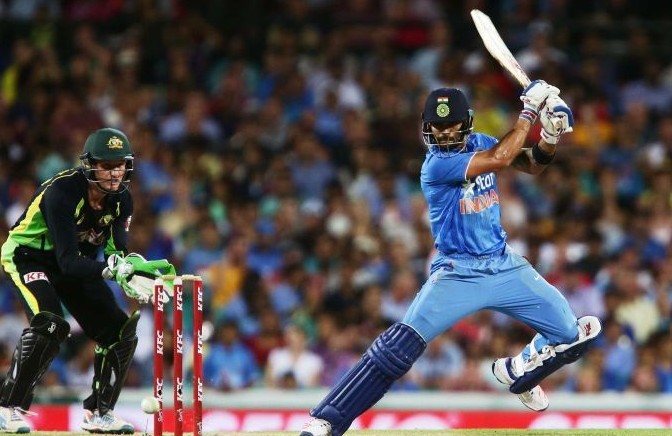
Why T20 Cricket Odds Change So Fast During a Match
T20 cricket can turn in a couple of overs. A team might look comfortable at 70 for 1, lose two quick wickets and suddenly be under pressure. The same thing happens with the odds.
They react to the toss, the pitch, early wickets, the required run rate and what happens at the death. That is why the price you see before the first ball can look very different by the time the match reaches the tenth over.
Two Wickets in the Powerplay Can Change Everything
Early wickets can shift a T20 match faster than the scoreboard sometimes suggests.
The Score Alone Does Not Tell the Whole Story
There is a big difference between 45/0 after six overs and 45/3 after six overs. The runs are the same, but the second team has already lost three batters and now has less room for mistakes in the middle overs.
Who Is Still Left to Bat?
That matters just as much as the current run rate. If two top-order batters are already out, the next pair may need a few overs to settle instead of attacking straight away.
The price can move even faster if those wickets fall while the powerplay is still open, because the team loses a good chance to score quickly while only two fielders are allowed outside the circle.
Why Does the Required Run Rate Matter More After the 10th Over?
The target can look comfortable for a long time, then suddenly one quiet over changes the whole chase.
If you need 60 from 48 balls, there is still time to play normally. A couple of singles or even a quiet over will not ruin the chase.
At 60 from 30, the pressure is completely different. Now you need 12 an over, and two dot balls can make the next four deliveries much harder.
It gets worse if the batter who was already set gets out. New batters usually need a few balls to settle, and there may not be enough time left for that.
Then one big over changes everything again. Take 18 runs from six balls, and a chase that looked difficult suddenly feels very possible.
Why Might Some Live Odds Not Count Toward a Promotion?
The odds can still be available on the match, but that does not always mean they qualify for a bonus or free bet.
Check the Minimum Odds Before You Pick a Market
Some promotions set a minimum price or only work on certain types of bets. A MostBet promo code, for example, can come with its own rules about eligible markets, minimum odds or how the reward is used.
That becomes important in live cricket because prices move so quickly. A selection that qualified at 1.80 a few overs ago might drop to 1.35 after a wicket or a big over, which can put it outside the promotion rules.
Conclusion
T20 odds move quickly due to the nature of the game itself. One poor over or a couple of quick wickets can completely shift the pressure.
As soon as the chase has started, the most important numbers on the odds board are usually the amount of wickets in hand, balls remaining and the required run rate. By focusing on these three odds statistics, the fluctuations which occur in live odds become much more logical.
Frequently Asked Questions
Why do odds change so quickly in T20 games?
Due to the limited time frame of a T20 match, there is very little opportunity for a team to recover a good over or a number of quick wickets. A single six-ball spell can change the target, required rate and therefore pressure as soon as it ends.
Can the toss really change live odds?
Yes, particularly in day-nighter matches where dew, conditions and chasing can all play a part. The toss can move the odds before a ball is bowled, but it is not the entire game in itself.
Why do wickets matter more than the score in some cases?
A team scoring 45/0 will be in a much stronger position than a team at 45/3. Although the score is the same, the chasing side has fewer batters to worry about and will be able to take a few more chances.
Can minimum odds affect a promotion in live cricket?
Yes, if a promotion requires a minimum price for a live selection, odds can fall below this once a promotion has begun and therefore selections would no longer qualify.


